• Skip to main content
  • Skip to secondary navigation
  • Skip to footer

Ayşe Osmanoğlu

The Ottomans : The Story of a Family

  • Home
  • A Farewell To Imperial İstanbul 
    • Reviews
    • Misc. Posts
    • Book Club Pack
  • The Gilded Cage on the Bosphorus
    • Reviews
    • Misc. Posts
    • Book Club Pack
  • Boğaz’daki Altın Kafes
    • Röportaj / Interview
    • Seçme Parça / Excerpt
  • The Sultan’s Salon: For Türkiye Today
    • Ottoman Regicide Series
    • Ottoman Jewels Series
    • Sultan’s Epithets Series
  • Misc. Articles
    • Historical Background
    • Characters
    • Misc. Family
    • Misc. Historical
    • Book Recommendations
    • Guest Posts
  • Young Ottoman Scholars Society
    • Articles by Members of the Young Ottoman Scholars Society
    • Young Ottoman Scholars Society Article Submission Form
  • About Ayşe
    • Interviews
    • A Farewell To Imperial Istanbul Media Kit
    • The Gilded Cage on the Bosphorus Media Kit
  • Sign Up
  • Contact
  • Boğaz’daki Altın Kafes
  • The Gilded Cage on the Bosphorus

Articles by Members of the Young Ottoman Scholars Society

The Sultan’s European Tour                                                             

November 1, 2024 by Ayşe Osmanoğlu

By Yavuz Tandoğan
From: Trabzon
Attending: Boğaziçi University, İstanbul
Age: 20 years old

In May of 1867, Emperor Napoleon III of France resolved to extend an invitation to Ottoman Empire, His Imperial Majesty Sultan Abdulaziz to attend an international industrial exposition to be held in Paris. This gesture was intended not only to restore the waning political ties with the Ottoman Empire following the Crimean War but also to grace Paris and the French Empire with the presence of an Ottoman Sultan and Caliph, thereby bestowing upon the fair an unparalleled honour.

The Opening Ceremony of the International Exhibition in Paris

Nevertheless, according to the longstanding tradition of the Ottoman state, it was unheard of for sultans to venture abroad for the purpose of travel. As a result, both the Sultan and the members of the royal family were initially reluctant to endorse such an expedition.

Diplomatic Expediencies of State

Sultan Abdülaziz – Buckingham Palace

Ottoman statesmen believed that this journey would yield significant diplomatic advantages. They contended that through this official visit, the peaceful and liberal inclinations of the Ottomans could be effectively communicated to foreign dignitaries, thereby showcasing the progressive reforms undertaken by the Empire to the European powers. Furthermore, the trip was seen as an opportunity to diminish European support for Russia, which had aligned against the Ottoman Empire in the ongoing Cretan crisis and the Montenegrin Rebellion, while also swaying public opinion in France—a nation aligned with Russia in foreign policy—in favour of Turkey. Additionally, the journey was anticipated to facilitate the procurement of European loans to support government expenditures. Therefore, the Grand Vizier of the time, Ali Pasha, along with the Minister of Foreign Affairs, Fuad Pasha, endeavoured to persuade the Sultan regarding a potential journey to Europe. It was equally imperative for the Sultan to witness firsthand the material advancements of the Western world, to gain insight into the European monarchical systems, and to cultivate personal acquaintance with the rulers of Europe.

Meanwhile, Queen Victoria of Britain, upon learning of the French Emperor’s invitation to the Sultan, swiftly extended her own invitation for a visit to London. Sultan Abdulaziz, perceiving these consecutive invitations as aligned with the interests of the state, graciously consented to accept both of them.

The Grand Europe Tour

Sultan Abdulaziz arrived at Dolmabahçe Palace with his state officials following a ceremonial event held after the afternoon prayer in Ortaköy on June 21, 1867. Thereafter, he commenced his grand European journey by boarding the imperial yacht, Sultaniye. Accompanying the Sultan on his journey were Crown Prince Murad Efendi (the future Sultan Murad V), Prince Abdulhamid Efendi (the future Sultan Abdulhamid II), the Sultan’s eldest son, Prince Yusuf İzzeddin Efendi, and Mehmed Fuad Pasha. 

The Sultan, having been received with great ceremony in Dardanelles the following day, arrived at the Sicilian port of Messina on June 25, escorted by both the Turkish and French naval fleets. On June 28, he reached Naples and, on the subsequent day, arrived at the port of Toulon in France, where he disembarked. Greeted with an official ceremony, the Sultan then proceeded to Paris by train, travelling via Marseille. 

The Turkish delegation, having arrived in Paris on June 30, was met with great and distinguished enthusiasm. Following his reception by Emperor Napoleon III at the Gare-de-Lyon, the Sultan proceeded to the Tuileries Palace, where he was presented to Empress Eugénie. Subsequently, he took residence at the Élysée Palace, which had been specially assigned for him. The following day, the Sultan, accompanied by the Emperor and Empress, observed the military parade held in his honour at Concorde Square. Thereafter, he had an audience with Tsar Alexander II of Russia, who was already present in Paris. 

During his ten-day stay in France, the Sultan made many gifts to the servants and various people in need. He visited Paris and the Palace of Versailles, attended theatres, exhibitions and balls. As recorded in the travel diaries, Crown Prince Murad Efendi, a handsome young man who spoke fluent French, attracted great attention from French society during the trip. 

A farewell dinner was hosted in the Sultan’s honour at the Tuileries Palace. One of the main topics of discussion was the Cretan issue, which was already highly contentious. Napoleon III made the following remarks regarding the conflict: “Your Excellency, the most effective resolution to the Cretan issue would be to cede the island to Greece.” In response, Sultan Abdulaziz expressed his displeasure, stating: “The Ottoman Empire has fought for Crete for twenty-seven years. Every inch of Crete’s soil has been soaked with the blood of martyrs. I shall continue to fight until no soldier remains in my armies and no vessel is left in my navy. If necessary, I will abandon Crete only under such dire circumstances.” Consequently, the Emperor felt compelled to apologise.

Sultan Arrives in Britain

Crown Prince Murad – Buckingham Palace
Prince Abdülhamid – Buckingham Palace

The following day, on July 10, Emperor Napoleon III bid farewell to the Sultan and the other guests, who then departed from Paris and embarked at Boulogne. After crossing the English Channel and reaching Dover, escorted by the French and British navies, the Sultan was graciously received by the British heir, Prince Edward and the Khedive of Egypt.

Sultan Abdulaziz arrived in London on July 11 and took up residence at Buckingham Palace. The following day, he was received by Her Majesty Queen Victoria of Great Britain, who accorded him a splendid welcome ceremony. That evening, the Sultan attended a grand banquet given in his honour by the Prince of Wales. The next day, the Sultan and the Queen went for a ride together along the River Thames in the royal barge.

The Order of the Garter, the most esteemed state order of the United Kingdom of Great Britain and Ireland, was conferred upon Sultan Abdulaziz by Queen Victoria. Besides that, the Queen proposed the notion of forging a kinship bond between the two dynasties by marrying a lady from the British Royal Family to Crown Prince Murad Efendi. However, the Sultan did not look favourably upon this matrimonial alliance.

Sultan Abdülaziz receiving the Order of the Garter from Queen Victoria

During his eleven-day visit to London, the Sultan participated in numerous official engagements, including invitations to balls, theatres, exhibitions, and concerts. He met with a variety of foreign diplomats and representatives from various communities. The Sultan, alongside the Queen, observed the manoeuvres of the British navy and subsequently visited the shipyards in Portsmouth. He also attended sessions of the House of Commons and listened to debates among MPs. He visited London City Hall as well, where he was honoured with the title of Honorary Citizen of London. During his stay in England, the Sultan generously donated 2,500 Ottoman gold coins to those who served him and to the needy. 

Before leaving, the Sultan paid a visit to the residence of the late former Prime Minister Lord Palmerston who passed away two years prior, and extended his condolences to the family. He was known for his pro-Turkish and anti-Russian stance in European diplomacy during his time in office. The policy he followed had solidified the high regard held for him by Turkish authorities.

Final Days of Tour

On July 23, the Sultan and the Turkish delegation departed London and travelled from the port of Dover to Calais, France, escorted by the British navy. The next day, they proceeded to Brussels, where the Sultan dined with King Leopold II of Belgium before continuing on to Koblenz, Prussia, later that day. Upon his arrival in the city on July 25, the Sultan was greeted by King Wilhelm I of Prussia and Queen Augusta. During his stay, the Sultan participated in various festivities, conducted an inspection of the Prussian army, and, after a leisurely excursion on the Rhine River with Wilhelm I, departed the city for Vienna. 

Arriving there on July 28, the Sultan was received with a grand ceremony attended by Austro-Hungarian Emperor Franz Joseph I, archdukes, and members of parliament. He remained in Vienna for three days, during which he explored the city, undertook a brief tour of the walls of Vienna Castle, and observed the artillery manoeuvres of the Austrian Army. 

On July 31, the Sultan arrived in Budapest, an old Ottoman city, via ferry across the Danube River and took part in the official ceremonies. Hungarian noblemen, attired in Turkish-inspired dress and armed with swords, welcomed the royal fleet. Hungarian people expressed their gratitude to the Turkish Sultan for the protection of the Hungarians who had sought refuge in Ottoman lands in 1849.

On August 3, the Sultan crossed the Danube to Vidin by ferry once again and finally stepped into Ottoman territory. The next day he disembarked in Ruse, where he was welcomed by the Grand Vizier, the Ministers and the Romanian Prince Carol. 

Back To Istanbul

The Sultan’s Imperial Carriage

Continuing on its way via Varna, the royal fleet ultimately entered the Bosphorus on the morning of 7 August. The Sultan’s return to the capital was announced with cannon fire from the castles along the Bosphorus. The people greeted their Sovereign with peerless fervour at the Dolmabahçe Palace pier, where they assembled in a throng of monumental grandeur. The words that Sultan Abdulaziz said while getting off the ship would go down in history as an expression of a bitter truth: “Our ancestors once embarked on horseback with the aim of conquest. Now we can only go by train or ferry for politics!…”.

In tribute to the Sovereign’s return, celebrations were held in the city over the course of three days.

Some images used on this blog are sourced from the internet and are assumed to be in the public domain. We make every effort to ensure proper attribution, but if you are the owner of an image and believe it has been used without proper permission, please contact us so we can give proper credit or remove the image as requested.

Filed Under: Articles by Members of the Young Ottoman Scholars Society

Battle of Kosovo (1389): A Short Analysis

October 1, 2024 by Ayşe Osmanoğlu

By Kadir Yilmaz
From: Genk, Belgium 
Age: 25 years old

Abstract

In the late 14th century, the Ottoman principality had already grown into a well-organized state that formed a major political power in Anatolia. Besides Anatolia, the Ottomans had also an interest in the West. Here (in the west) the Ottomans tended to systematically conquer the Balkan and to make the Balkan their homeland. Although the powers in the Balkan were divided and in competition, these powers had one common ground, their religion. The Ottomans were forming a threat to this common ground, in the Balkan. In the end, it was not possible to prevent clashes of major powers in the Balkan (Marica in 1371 and Bileça in 1388). These clashes eventually led to the Battle of Kosovo in 1389. This battle, which was fought between the Ottoman-Anatolian forces under the command of Ottoman Sultan Murad I against a combination of knights coming from several kingdoms and principalities in the Balkan, under the command of Prince Lazar from Serbia, was a battle that played a crucial role in the determination of the future of the Ottoman state in the Balkan. 

The purpose of “Battle of Kosovo (1389): A short analysis” is to find answers to five questions, to reach a basic understanding of the first Battle of Kosovo. 

Introduction

The victory in 1371 near the Marica River, made the path open to old-heart Serbia for the Ottomans. However, the only obstacle for the Ottomans was the Serbian Prince Lazar Hrebljanovic, who had his principality and saw himself as the new leader of the Serbians.1 The Ottomans on the other hand, under the leadership of Sultan Murad I, focused on a swift victory in the Serbian territories, to prevent an unstoppable attack from the Balkan in the future. These events eventually led to the Battle of Kosovo (1389).2

The Battle of Kosovo (1389)

Question 1: What causes led to the Battle of Kosovo?

Murad I - Wikipedia
Sultan Murad I

With the Ottoman victory against the Kingdom of Serbia near the Marica River (1371), the Serbian Kingdom was disintegrated into several principalities. Consequently, Ottoman Sultan Murad I ordered raids into Bosnian and Serbian territories. However, one of these raids, under the command of Kavala Sahin, was stopped during a skirmish near Bileça (1388) by the troops of King Tvartko of Bosnia.3

After this Ottoman loss, Sultan Murad I suspected the making of an alliance between King Tvartko of Bosnia and Prince Lazar of Serbia. To not give the enemy time to strengthen and organize, Sultan Murad I ordered his army to prepare for a major attack on the Balkan.4 At the same time, the Sultan ordered Grand Vezir Çandarlı Ali Pasha in the winter of 1388-1389, to attack Bulgaria and to prevent Tsar Ivan Sisman from joining a possible Bosnian-Serbian alliance.5

Question 2: What do we know about the parties participating in the Battle of Kosovo? 

As part of the war preparations, Sultan Murad I ordered his two sons, Prince Yıldırım Bayezid (governor of the provinces Germiyan and Hamid) and Prince Yakub Çelebi (governor of the province Karasi) to join him on this campaign in the Balkan. Alongside his sons, the Sultan also invited West Anatolian principalities to join him.6 It is not exactly clear which principalities participated in this campaign, as several sources, Ottoman and Serbian, have cited different combinations of Anatolian principalities. However, based on the contemporary work of the Serbian Marko Pecki, we can say that seven Muslim forces did join this campaign7, of which one was the Ottoman principality. The number of the remaining forces (six) could be a reference to the Anatolian principalities, which match well (in number) with the enumeration of most of the Ottoman and Western sources.8 Besides the Turkish forces, the Sultan could also count on the support of non-Turkish forces such as the forces of King Marco of Macedonia and Kostantin Dejanovic from Bulgaria.9

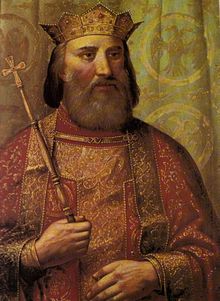
Prince Lazar

On the other hand, we have the forces of Prince Lazar, which was a combination of knights of several kingdoms and principalities from the Balkan. In summary, Prince Lazar had gotten support from Serbian, Bosnian, Croatian, Albanian, Bulgarian, Hungarian, and Czechian knights.10 In this alliance, the knights of King Tvartko of Bosnia, under the command of Vlatko Vukovic and Vuk Brankovic (son-in-law of Prince Lazar) would play a crucial role.11

Although sources on both sides claim that their army was smaller than the enemy12, the two armies were probably equally sized, with a size of approximately 30.000 soldiers.13

Question 3: Where and when did the Battle of Kosovo take place? 

The Battle of Kosovo took place on the Kosovo Polje (field of the blackbirds), west of the city of Pristina and north of Prizren (nowadays Kosovo). This full-fledged battle in the heartland of Serbia occurred in June 1389.14 The exact date of the battle is open to discussion. Even though, western contemporaneous historians set the date for this battle on 15th June, the day of St. Vitus15, other historians find this to be wrong. The argument is that 15th June is the outcome of a miscalculation due to the use of a different calendar by Western sources. Thus, according to these historians, the correct date is 28th June.16

The location of the Battle of Kosovo (Kosovo Polje)

Question 4: Which course did the Battle of Kosovo take and what was the outcome of this battle?

In June 1389, the two powers were facing each other on the Kosovo Polje. The battle began with the artillery attack of the Ottomans. As a reaction to this, the Serbian cavalry started attacking the Ottoman troops. Subsequently, the left flank of the Ottomans launched an arrow attack, to stop the Serbian cavalry. The attack of the Ottomans led the cavalry to focus on the Ottoman left flank, which was commanded by Prince Yakub Çelebi. Prince Yakub Çelebi had struggled to hold the Serbian cavalry but with no success. As the left flank of the Ottomans had been pushed back, Prince Bayezid, who had not yet participated in the battle, organized a powerful attack, aiming to protect the falling left flank. The counter-attack of Prince Bayezid successfully pushed the troops of Prince Lazar back and led to the desertion of Vuk Brankovic and the Bosnian knights under the command of Vlatko Vukovic.17 The battle lasted for eight hours18 and led to many losses on both sides.19

At the end of the battle, the Ottoman Princes were chasing the fleeing enemy. It was at this time that while Sultan Murad I was walking on the battlefield, he was assassinated by the wounded Serbian nobleman, Milos Obiliç. Immediately after the assassination, Prince Bayezid was called to the tent of his dying father. The severely wounded sultan gave his son his last wishes, as well as the leadership of the Ottoman state. As a reaction to the death of his father, Bayezid ordered the immediate death of Prince Lazar. Furthermore, Bayezid called upon his brother Yakub Çelebi, who was chasing the enemy, to the tent of his father. Prince Yakub Çelebi, who had probably no clue of his father’s death, entered the tent of his father and was immediately executed by choking. The reason for the death of Prince Yakub was simply the fear of an uprising for the Ottoman throne.20

A map of the Battle of Kosovo

Question 5: What are the consequences of the Battle of Kosovo?

Tomb of Ottoman Sultan Murad I Hüdavendigâr (Bursa)

Although most sources state that the Battle of Kosovo was a decisive Ottoman victory, it would take Sultan Bayezid time to make the principality of Prince Lazar a vassal state of the Ottomans (1390). Furthermore, Vuk Brankovic would rule independently over his territory until 1392. The reason for the slowdown of the activities of Sultan Bayezid in the Balkan depends on the chaotic end of the Battle of Kosovo, which had led to instability in the east. Thus, Sultan Bayezid had to restore the Ottoman authority in the east for several reasons: the assassination of his father, the death of his brother, and the uprising of the Anatolian principalities to seize more territory.21

Together with the battle of Marica (1371), the Battle of Kosovo is the battle that decided the future stay of the Ottomans in the Balkan.22 More specifically, the victory at the Battle of Kosovo led to the breakdown of the resistance of the feudal principalities in south Serbia, the opportunity to extend into south Serbia, and the opening of the northern doors of Serbia.23

Endnotes

  • 1.  Emmert, T. (1991). “The Battle of Kosovo: Early reports of victory and defeat”, Kosovo, Legacy of a Medieval Battle, ed. W. Vucinich-T. Emmert, Minneapolis. 
  • 2.  Emecen, F. (2024). KOSOVA SAVAŞLARI. In TDV İslâm Ansiklopedisi (pp. 1–4). https://islamansiklopedisi.org.tr/kosova-savaslari. 
  • 3.  Inalcık, H. (2010). Kuruluş Dönemi Osmanlı Sultanları 1302-1481 [Book; Print]. Türkiye Diyanet Vakfı İslam Araştırmaları Merkezi (İSAM). 
  • 4.  Emecen, F. (2024). KOSOVA SAVAŞLARI. In TDV İslâm Ansiklopedisi (pp. 1–4). https://islamansiklopedisi.org.tr/kosova-savaslari. 
  • 5.  Inalcık, H. (2010). Kuruluş Dönemi Osmanlı Sultanları 1302-1481 [Book; Print]. Türkiye Diyanet Vakfı İslam Araştırmaları Merkezi (İSAM). 
  • 6.  Uzunçarşılı, İ. H. (2023). Osmanlı Tarihi (1.cilt) Anadolu Selçukluları ve Anadolu Beylikleri Hakkında Bir Mukaddime İle Osmanlı Devleti’nin Kuruluşundan İstanbul’un Fethine Kadar (14th ed.). Türk Tarih Kurumu.
  • 7.  Marko Pećki (1986), “Žitije svetog patrijarha Jefrema”, Šest pisaca XIV veka: Grigorije Raški, Jakov Serski, Siluan, Nepoznati Svetgorac, Monah Jefrem, Marko Pećki, haz. Dimitrije Bogdanović, Belgrad: Prosveta.
  • 8.  Fırat, O. (2021). Çağdaş Sırp ve Dubrovnik Kayıtlarına Göre I. Kosova Savaşı. Güneydoğu Avrupa Araştırmaları Dergisi / the Journal of South-Eastern European Studies, 0(36), 83–96. https://doi.org/10.26650/gaad.866825. 
  • 9.  Emecen, F. (2024). KOSOVA SAVAŞLARI. In TDV İslâm Ansiklopedisi (pp. 1–4). https://islamansiklopedisi.org.tr/kosova-savaslari. 
  • 10. Emecen, F. (2024). KOSOVA SAVAŞLARI. In TDV İslâm Ansiklopedisi (pp. 1–4). https://islamansiklopedisi.org.tr/kosova-savaslari. 
  • 11. Fırat, O. (2021). Çağdaş Sırp ve Dubrovnik Kayıtlarına Göre I. Kosova Savaşı. Güneydoğu Avrupa Araştırmaları Dergisi / the Journal of South-Eastern European Studies, 0(36), 83–96. https://doi.org/10.26650/gaad.866825. 
  • 12. Uzunçarşılı, İ. H. (2023). Osmanlı Tarihi (1.cilt) Anadolu Selçukluları ve Anadolu Beylikleri Hakkında Bir Mukaddime İle Osmanlı Devleti’nin Kuruluşundan İstanbul’un Fethine Kadar (14th ed.). Türk Tarih Kurumu.
  • 13. Emecen, F. (2024). KOSOVA SAVAŞLARI. In TDV İslâm Ansiklopedisi (pp. 1–4). https://islamansiklopedisi.org.tr/kosova-savaslari. 
  • 14. Bunting, T. (2024, July 9). Battle of Kosovo (1389) | Description & Significance. Encyclopedia Britannica. https://www.britannica.com/event/Battle-of-Kosovo-1389-Balkans. 
  • 15. Annales Ragusini Anonymi (1883), Vol. XIV of Monumenta spectantia historiam slavorum meridionallum (Zagreb). 
  • 16. Emecen, F. (2024). KOSOVA SAVAŞLARI. In TDV İslâm Ansiklopedisi (pp. 1–4). https://islamansiklopedisi.org.tr/kosova-savaslari. 
  • 17. Feridun Emecen, “Balkanlar’da Yeni Bir Dönüm Noktası: Kosova Savaşı (1389)”, Savaşın Sultanları: Osmanlı Padişahlarının Meydan Muharebeleri, haz. Feridun Emecen, Erhan Afyoncu, I. 
  • 18.Uzunçarşılı, İ. H. (2023). Osmanlı Tarihi (1.cilt) Anadolu Selçukluları ve Anadolu Beylikleri Hakkında Bir Mukaddime İle Osmanlı Devleti’nin Kuruluşundan İstanbul’un Fethine Kadar (14th ed.). Türk Tarih Kurumu.
  • 19. Anonim (1993), “Zapis iz prologa”, Spisi o Kosovu, haz. Milka Ivić, Belgrad: Prosveta. 
  • 20.Uzunçarşılı, İ. H. (2023). Osmanlı Tarihi (1.cilt) Anadolu Selçukluları ve Anadolu Beylikleri Hakkında Bir Mukaddime İle Osmanlı Devleti’nin Kuruluşundan İstanbul’un Fethine Kadar (14th ed.). Türk Tarih Kurumu.
  • 21. Emmert, T. (1991). “The Battle of Kosovo: Early reports of victory and defeat”, Kosovo, Legacy of a Medieval Battle, ed. W. Vucinich-T. Emmert, Minneapolis. 
  • 22. Uzunçarşılı, İ. H. (2023). Osmanlı Tarihi (1.cilt) Anadolu Selçukluları ve Anadolu Beylikleri Hakkında Bir Mukaddime İle Osmanlı Devleti’nin Kuruluşundan İstanbul’un Fethine Kadar (14th ed.). Türk Tarih Kurumu.
  • 23. Emecen, F. (2024). KOSOVA SAVAŞLARI. In TDV İslâm Ansiklopedisi (pp. 1–4). https://islamansiklopedisi.org.tr/kosova-savaslari

Some images used on this blog are sourced from the internet and are assumed to be in the public domain. We make every effort to ensure proper attribution, but if you are the owner of an image and believe it has been used without proper permission, please contact us so we can give proper credit or remove the image as requested.
Filed Under: Articles by Members of the Young Ottoman Scholars Society

Hanzade Sultan

September 19, 2024 by Ayşe Osmanoğlu

Hanedanın en güzel sultanı 101 yaşında!

By Emirhan Özkır
From: İstanbul
Attending: İstanbul Medipol University, Faculty of Communication, Public Relations & Advertising
Age: 20 years old

Bugün 19 Eylül 2024, son Halife ile son padişahın dillere destan güzelliğiyle bilinen torunları Hanzade Sultan’ın dünyaya gelişinin 101.yıl dönümü.

Tam adı ile Zehra Hanzade Sultan bundan tam 101 yıl önce bugün 19 Eylül 1923 tarihinde Dolmabahçe Sarayı’nda dünyaya geldi. Babası Şehzade Ömer Faruk Efendi son Halife Abdülmecid Efendi’nin oğlu annesi Sabiha Sultan ise son padişah Sultan Vahideddin’in kızıydı. İki yaş büyük ablası Neslişah Sultan’la beraber hanedanın hem Aziz soyundan hemde Mecid soyundan gelen ikinci mensubuydu. Dünyaya gözlerini açtığı sırada büyükbabası Abdülmecid Efendi Halife-i Müslimin ve hanedan reisi olması hasebiyle Dolmabahçe Sarayı’nda ikamet etmekteydi ve ikinci doğacak olan torunununda resmî bir yerde doğmasını arzu ettiği için Faruk Efendi ile Sabiha Sultan doğuma yakın bir zamanda ikamet ettikleri Tophane Müşiri Zeki Paşa Yalısından Dolmabahçe’ye taşınmışlardı.Ve nihayet 18 Eylül’ü 19 Eylül’e bağlayan gece Sabiha ve Faruk çiftinin ikinci kız çocukları dünyaya geldi. 

Hanzade Sultan’ın ablası Neslişah Sultan kız kardeşinin doğumunu şu sözlerle anlatıyor: “Bir gece, dadımla beraber odamda idim ama sarayda bir koşuşturma vardı. Birileri gelip dadımı çağırdı, beni odada tek başıma bırakıp gitti. Meğerse, annem zor bir doğum yapıyormuş…Sonra, her taraf zifirî karanlık oldu. Bütün ışıkları yakmışlar, prizlere âletler  takmışlar ve sigortalar atmış. Bizim kaldığımız odadaki prize de su ısıtmak için bir âlet takılıydı, oda karanlığa gömüldü ve korkudan perişan oldum. Ertesi gün ‘Kardeşin geldi, büyükbaban sana onu gösterecek, seni çağırtıyor’ dediler…Beni bir küçük salona götürdüler…Kapı açılınca büyükbabamı ortadaki çini sobanın yanında, ayakta dururken gördüm. Hanzade de kucağındaydı, ‘Bak güzel kızım, sana bir kardeş geldi, gelirken de bu hediyeleri getirdi. Haydi, şimdi gel de kardeşini öp’ dedi.Bir de baktım ki oda tepeleme oyuncak dolu, yani saraya âdetâ bir oyuncakçı dükkanını taşımışlar…tabiî son derecede memnum oldum ve büyükbabamın dediğini yaptım, gidip kardeşimi kucakladım…”

Tumturaklı isimlerden pek bir hoşlanan Abdülmecid Efendi ilk torununa Neslişah ismini vermişti, ikinci kız torununa ise “Hanzade” ismini uygun gördü. O sırada İtalya’nın San Remo şehrinde ikamet eden ve torunlarının “Şahbaba” diye hitap ettikleri Sultan Vahideddin ise torununa “Zehra” ismini verdi, böylece küçük sultanın adı “Zehra Hanzade” olmuş oldu. 

Hanzade Sultan’ın doğumundan tam 166 gün sonra Türkiye Büyük Millet Meclisi Hilafeti kaldırdı ve 431 sayılı kanunla Osmanlı Hanedanının ülke sınırlarının dışına çıkarılmasına karar verildi. 5.5 aylık küçük sultan ailesiyle beraber Çatalca’dan bindikleri ekspresle Avrupa’ya doğru yola çıktı. Önlerinde vatan hasretiyle dolu elem ve keder dolu günler vardı. 

Hanzade Sultan’ın teyzesi Ulviye Sultan ile kuzini Hümeyra Hanımsultan şahbabalarının yanına San Remo’ya gittiler. Sabiha Sultan ise kızları Neslişah ve Hanzade’yle beraber eşi ve kayınpederinin yanına İsviçre’nin Territet kasabasına gitti. Halife Abdülmecid Efendi’nin sürgündeki ilk durağı  İsviçre’nin Territet kasabasıydı ve Grand Hotel’e yerleşmişti, ancak Cumhuriyet hükümetiyle ilgili yaptığı bazı açıklamalardan rahatsız olan tarafsız İsviçre hükümetinin baskısı ve İsviçre’nin pahalılığı nedeniyle Halife 7 ay sonra Fransa’nın Nice şehrine taşınmaya karar verdi. Nice’e avdetlerinden 1.5 yıl sonra 15 Mayıs 1926’da Neslişah’la Hanzade’nin küçük kız kardeşleri “Necla Hibetullah” dünyaya geldi. Sultanların çocuklukları ve gençliklerinin ilk dönemleri bu güzel Akdeniz şehrinde geçti. İlk eğitimlerini önce bir özel okulda sonrada bir devlet okulunda aldılar, İngilizce,Fransızca ve Almanca öğrendiler. Türkçe okuma yazmayı küçük sultanlara Naciye Sultan’ın eşi Kamil Bey (Killigil) öğretti, aynı şekilde dini eğitimlerinide evde aldılar.

Ömer Faruk Efendi ve Hanzade Sultan

Ancak kendi dillerini iyi öğrenmeleri ve unutmamaları için evde Türkçe’den başka bir dil konuşmaları yasaktı, özellikle Neslişah Sultan’ın tabiriyle çok eski kafalı olan babası Ömer Faruk Efendi evde Türkçe konuşulmasına çok dikkat ediyor ve kızların kendi aralarında başka bir lisan konuştukları duyarsa çok kızıyordu. Halife’nin çok kısıtlı bir bütçesi olduğu için küçük sultanların etekleri yırtılınca yeni etek alamayıp günlerce okula gidemedikleri günler oluyordu. 1931 senesinin Kasım ayında Halife’nin kızı Dürrüşehvar Sultan (1914-2006) Haydarabad Nizamı’nın büyük oğlu Prens Azam Jah’la evlenince aile ekonomik olarak biraz rahatladı. 

1938 senesinde Faruk Efendi Avrupa’da yeni bir dünya harbi çıkacağı endişesiyle ailesiyle beraber Mısır’a taşınmaya karar verdi. Oğlu ve torunlarının Mısır’a avdet etmelerinden sonra Nice’deki monoton hayatından sıkılan Abdülmecid Efendi eşleri ve maiyetiyle beraber Paris’e taşındı. Hanzade Sultan ve ailesi önce İskenderiye’ye ordanda Kahire’ye taşındılar. İkinci Dünya Savaşı başlayınca Halife oğluna eskisi gibi para gönderemez oldu ve ekonomik olarak çok sıkıntıyı çekmeye başladılar. Bu sıkıntıdan kurtulmanın tek çaresi sultanların maddi açıdan güçlü kişilerle izdivaç etmeleriydi. 

Paris’te Prens Muhammed İbrahim, Hanzade Sultan, Prenses Fazile ve Prens Ahmed Rifat

1940 senesine gelindiğinde üç kardeşten en büyükleri Neslişah 19, Hanzade 17, Necla ise 14 yaşındaydı. İlk evlenen Hanzade Sultan oldu, Mısır Hanedanından Kavalalı Mehmed Ali Paşa’nın torunu Prens Muhammed İbrahim (1879-1906)  ile Prenses Fazile Zübeyde’nın (1878-1900) oğulları Prens Mehmed Ali İbrahim’le (1900-1977) evlendi. Bir hafta sonrada Neslişah Sultan son Mısır Hıdivi Abbas Hilmi Paşa’nın oğlu Prens Muhammed Abdülmünim’le (1899-1979) evlendi. Neslişah ve Hanzade artık Osmanlı prensesi unvanları dışında Mısır prensesi unvanını da taşıyorlardı. 

Hanzade Sultan ve eşi Prens Mehmed Ali balayı için önce İsviçre’ye ordanda Paris’e gittiler. Çiftin ilk çocukları Prenses Fazile 1941’de ikinci çocukları Prens Ahmed Rifat ise 1942’de dünyaya geldi. Sultanların en küçüğü Necla Sultan ise ablalarından üç sene sonra 1943’de Hanzade’nin eşi Prens Mehmed Ali’nin kardeşi Prens Amr İbrahim (1903-1977) evlendi. Savaşın ardından Hanzade Sultan eşi ve çocuklarıyla beraber tekrar Kahire’ye geldi ve 1952’de Mısır’da yapılan ihtilale kadar Kahire’de yaşadılar. 

Hanzade Sultan.. - Guldum.net ...

1952’de askeri cuntanın Kral Faruk’u tahttan indirmesinin ardından Hanzade Sultan eşi ve çocuklarıyla beraber Paris’in şık semti Passy’e taşındı, 1953’de askeri cunta hükümetinin krallığı tamamen kaldırması ve resmen cumhuriyeti ilan etmesiyle Mısır Hanedanından olan tüm prens ve prenseslerin Mısır’daki şahsi mal ve mülklerine el konulup banka hesapları da bloke edildi, tüm mal ve mülklerine el konulurken Hanzade Sultan ve eşi Prens Mehmed Ali çocuklarıyla beraber Paris’teydiler. Mısır’daki ihtilalden sonra hanedan mensuplarının vize alıp yurt dışına çıkmalarına müsaade verilmiyordu ancak en sonunda Neslişah Sultan’a Mısır uyruklu değilde Türk uyruklu olduğu için vize verildi ve sultan çocuklarını da alıp İstanbul’a gitti. Çocuklarını ihtilal görmüş olan Mısır’a geri götürmek istemeyen Neslişah Sultan zor durumdaydı ve imdadına Paris’teki kız kardeşi Hanzade ve eniştesi Prens Mehmed Ali yetişti. 

Neslişah Sultan ve Hanzade Sultan

Neslişah Sultan o sıkıntılı günleri şöyle anlatıyor: “Kızım rahatsızlanmıştı, herkes bana ‘İnsan ihtilâl görmüş böyle bir memlekette çocuklarını bırakır mı ? Sen deli misin, çocukları al, buradan başka yere götür’ diyordu. Bizim o zaman Mısır’dan çıkmamız zordu. Başka bir memlekete gidebilmemiz için çıkış vizesi almamız lâzımdı ama aileye vermiyorlardı. Bazılarımız belki gidebilirdik ama hep beraber ayrılmamız imkânsızdı. Hanedan kadınlarının Türkiye’ye giriş yasağı artık kalkmıştı ve İstanbul’a serbestçe gidebilirdim. Mısır makamlarına memleketime gitmek istediğimi söyledim ve aslen Mısırlı olmadığım yani Türk doğmuş olduğum için bana çıkış vizesini vermemezlik edemediler. Müsaade çıktı ve çocuklarımla beraber İstanbul’a geldim. Kocam , mecburen Kahire’de kalmıştı…İstanbul’da bir dostumuzun evine yerleştik. Bana Mısır’dan çıkmamı telkin edenlerin hepsiyle tek tek görüştüm ama kimseden bir yardım, medet gelmedi! Birgün kızkardeşim Hanzade’nin kocası Prens Mehmed Ali, Paris’ten İstanbul’a geldi. Bana ‘Neslişah, sana çok gücendim’ dedi. ‘Çocukların için herkesle görüşmüşsün fakat beni hatırlamadın. Unutma ki ben kardeşinin kocasıyım. Şimdiye kadar iki evlâdım vardı, seninkileri de alırım, bundan sonra dört evlâdım olur’. Çocukları onunla beraber Paris’e gönderdim ve Allah rahmet eylesin, Mehmed Ali ile Hanzade her iki çocuğuma da kendi evlâtları gibi baktılar…”

Hanzade’nin kızı Prenses Fazile 1957’de Irak Kralı Faysal’la nişanlandı ancak düğünden önce 14 Temmuz 1958’de Irak’ta yapılan ihtilalde Kral Faysal öldürüldü. Prenses Fazile 57’de yaşanan hadiselerden sekiz sene sonra 1965’de Suat Hayri Ürgüplü’nün oğlu Hayri Ürgüplü’yle, Prens Ahmed ise Halid Ziya Uşaklıgil ile Yunus Nadi’nin torunları  Emine Uşaklıgil ile evlendi.

Güzelliği,giyimi ve zarafetiyle Avrupa sosyetesinde herkesin hayran olduğu Hanzade Sultan kış aylarını genellikle Passy’deki evinde yaz aylarınıda Yeniköy’deki Burhanettin Sezaral Yalısı’nda ve kuzini Hümeyra Hanımsultan’ın eşi Halil Özbaş’la beraber işlettikleri Kuşadası Kısmet Otel’de geçiriyordu. 1971’de annesi Sabiha Sultan’ı 1977’de de eşi Prens Mehmed Ali İbrahim’i kaybeden Hanzade Sultan Paris-İstanbul-Kuşadası arasında kardeşleriyle beraber sessiz sakin bir hayat sürmeye devam etti. 

1997’de Paris Başkonsolosluğu’nda çok fazla davetlinin olmadığı bir toplantıda imparatorluk devri ilgili şu sözleri söyledi: ”Osmanlı arşivleri dünyanın en mükemmel arşivleri, bir gün tam açılırsa dünya üzerindeki tüm tarihi kitapların atılıp yeni ve doğru tarihin yazılması gerekecektir. Ben o günü bekliyorum umarım ömrüm yetişir. Osmanlı dünyanın hem en modern hemde dini ibadetini gerçek İslam’a uygun yapan Halife’nin yönettiği imparatorluktu.”

Şahbabası Sultan Vahideddin’in bütün arşivi Hanzade Sultan’’daydı ve Murat Bardakçı’nın meşhur “Şahbaba” kitabı Hanzade Sultan’ın kendisine verdiği bu arşiv sayesinde yazıldı. Ancak güzelliği,zarafeti ve cedlerinden aldığı kuvvetle herkesin üzerinde unutulmayacak bir tesir bırakan Hanzade Sultan şahbabasının senelerce muhafaza ettiği arşivi sayesinde yazılmış olan kitabın yayımlandığını göremeden çok sevdiği annesi Sabiha Sultan’ın doğum tarihinde 19 Mart 1998’de bu fani dünyaya veda etti. Zarafetin,asaletin ve güzelliğin en yüksek mertebeleri kendisinde zuhur etmiş olan Hanzade Sultan bâkî kalan kubbede hoş bir sadâ bırakarak hepsi taht sahibi olan dedelerinin yanına dar-i bekaya hicret ettiğinde tam 74.5 yaşındaydı. 

Paris’deki evinde Hakkın rahmetine kavuşan sultan efendinin muhterem naaşı bir hafta sonra İstanbul’a getirilerek 27 Mart 1998 Cuma günü Cuma namazından sonra Bebek Camii’nde kılınan cenaze namazının ardından Aşiyan Mezarlığında annesi Sabiha Sultan’ın yanındaki makberine tevdi edilerek ebediyete uğurlandı.. 

IMG_1561.jpg

Sultan efendi, eminim gittiğiniz yerdede çok sevdiğiniz anneniz ve kardeşlerinizle beraber huzur ve mutululuk içindesinizdir. Mekanınız cennet ruhunuz şad olsun nurlar içinde yatın.

Kaynakça: M.Bardakçı, 2011: 64-257

Some images used on this blog are sourced from the internet and are assumed to be in the public domain. We make every effort to ensure proper attribution, but if you are the owner of an image and believe it has been used without proper permission, please contact us so we can give proper credit or remove the image as requested.

Filed Under: Articles by Members of the Young Ottoman Scholars Society

A Dynasty of Poetry: The Ottomans

September 1, 2024 by Ayşe Osmanoğlu

By Yavuz Tandoğan
From: Trabzon
Attending: Boğaziçi University, İstanbul
Age: 20 years old

The Ottomans, a renowned dynasty of global significance, were a Turkish family that governed three continents for six centuries. While they are predominantly recognized for their political decisions and military victories, the lesser-known intellectual dimensions of the Ottomans merit exploration alongside their political achievements.

Ottoman princes and sultans received meticulous education from an early age, tailored to the nobility of the dynasty. They cultivated expertise in diverse domains such as art, literature, crafts, politics, and administrative sciences, emerging as prominent figures in their respective fields.

Among these fields, literature stands out as the most prominent. In the Ottoman Empire, the dynasty and the elite palace circle regarded poetry as the highest form of expression, engaging in competition to produce superior literary works. This resulted in the creation of exquisite poems and the emergence of a cultural treasure known today as Divan literature.

The literary proficiency of the Ottoman dynasty, along with the poetry composed by its rulers, remains highly esteemed and is regarded as among the most significant contributions to classical Turkish literature.

The sultans’ poems cover a wide range of themes, including love, state affairs, praise of the Prophet, warfare, and reflections on life, forming a substantial portion of Divan literature. Notably, Suleiman the Magnificent, under the pseudonym “Muhibbi,” is the second most prolific writer among all Divan poets.

Below, we have included a selection of verses along with their explanations to exemplify the poetic works produced by the sultans:

Mehmed II (Mehmed the Conqueror)

Turkish:

İmtisal-i cahid-ü fillah oluptur niyetim
Din-i İslam’ın mücerret gayretidir gayretim

English Translation:

My intention is to serve an example of fighting in the way of Allah
All my efforts are solely dedicated to the religion of Islam

This poem not only reflects Mehmed’s ideology but also reveals the political trajectory pursued by the Ottoman state at that time.

Turkish:

Sâkiyâ mey sun ki bir gün lalezar elden gider
İrüşür fasl-ı hazan bağ ü bahar elden gider

English Translation:

Cupbearer, bring us a drink, for this rose garden will one day be lost
Autumn will arrive, and spring will pass

Here, it is suggested that the state’s strong position at that time will eventually fade, and there is a desire to cherish the present days with this awareness.

Selim I (Selim the Resolute)

Turkish:

Şirler pençe-i kahrımda olurken lerzan
Beni bir gözleri ahuya zebun etti felek

English Translation:

While the lions tremble under my heavy paws
Fate made me weak and fond of one with hazel eyes 

According to the rumor, while Selim I was on a campaign in Egypt, a maid in his service fell in love with him. In the well-known story surrounding them, he composed this poem as a memento after the maid, overwhelmed by excitement and fear, died just before she could confess her love.

Suleiman I (Suleiman the Magnificent)

I. Süleyman - Vikipedi

Turkish:

Halk içinde muteber bir nesne yok devlet gibi
Olmaya devlet cihanda bir nefes sıhhat gibi 

English Translation:

There is nothing more prestigious than the state in the eyes of the people.
I wish the state in the world were like a breath of health.

The Sultan underscores the significance of health here, suggesting that a healthy breath would be as esteemed as a crucial institution, such as the state, in the eyes of the Turkish people.

Selim II 

Dosya:II Selim.jpg - Vikipedi

Turkish:

Biz bülbül-ü muhrik dem-i şekva-yı firakız
Ateş kesilir geçse saba gülşenimizden

English Translation:

We are the nightingale with a burning breath complaining about separation from our love
If the morning wind passes through our garden, it turns into fire

Selim II compares himself to a nightingale, lamenting that he cries out in anguish due to separation from his lover. He asserts that even the wind blowing beside him will be transformed into fire because of the intensity of his pain, he exaggerates.

Mustafa III

Turkish:

Yıkılıpdur bu cihan sanma ki bizde düzele
Devleti çarh-ı deni verdi kamu müptezele
Şimdi ebvab-ı saadette gezen hep hazele
İşimiz kaldı heman merhamet-i lemyezele

English Translation:

Don’t think we’re doing well when the world is falling apart
The vile fate left the affairs of state to worthless people
Now, those who walk around the gates of happiness are always disgraceful people
Our solution is left to the mercy of the Eternal (Allah)

Mustafa III discusses the dire state of affairs during that period, highlighting the appointment of unqualified individuals to state positions, and perceives divine mercy as the sole remedy for this predicament.

Mahmud II 

Turkish:

Dü alemde kıl istishab Han Mahmud-u Adli’yi
Senindir evvel ü ahirde devlet ya Resulallah

English Translation:

Keep Mahmud Khan with you in both worlds and include him in your conversations
O Messenger of Allah, wealth and sovereignty are yours, both before and after

In this poem, Mahmud II expresses his love for the Prophet Muhammad (pbuh) and seeks his assistance for both this world and hereafter.

Mehmed V 

Turkish:

Savlet etmişti Çanakkal’a’ya bahr u berden
Ehl-i İslam’ın iki hasm-ı kavisi birden
Lakin imdad-ı ilahi yetişip ordumuza
Oldu her bir neferi kal‘a-i pulad-beden

English Translation:

They attacked the Dardanelles from both land and sea
Two formidable enemies of Muslims together
But divine assistance came to our army
Each of our soldiers became a castle with a steel body

Sultan Mehmed V composed this poem while the Gallipoli Campaign was ongoing. Furthermore, it is an example of the last poems written by the sultans.

As can be understood from these unique verses, of which we can only include some, the underlying cultural background and worldview of the Ottomans also manifest themselves in the field of literature. The Ottomans’ appreciation for beauty and the aesthetic pleasure inherent in their subconscious permeate every field they engaged with.

Some images used on this blog are sourced from the internet and are assumed to be in the public domain. We make every effort to ensure proper attribution, but if you are the owner of an image and believe it has been used without proper permission, please contact us so we can give proper credit or remove the image as requested.

Filed Under: Articles by Members of the Young Ottoman Scholars Society

Sabiha Sultan

August 26, 2024 by Ayşe Osmanoğlu

By Emirhan Özkır
From: İstanbul
Attending: İstanbul Medipol University, Faculty of Communication, Public Relations & Advertising
Age: 20 years old

Today is August 26, that is, the 53rd anniversary of the death of Sabiha Sultan, daughter of the last Ottoman Sultan Mehmet Vahdettin VI. Rukiye Sabiha Sultan was born in Feriye Palace on March 19, 1894, as the third daughter of Sultan Vahideddin and Emine Nazikeda Kadınefendi. Her mother, Nazikeda Kadinefendi, was a princess belonging to the Marchan Dynasty, one of the oldest and most noble families in Abkhazia. She was born in 1866 in Tzebelda, Abkhazia, as the daughter of Prince Hasan Ali Marşania and Princess Fatma Horecan Aredba. At a very young age, she was raised by Cemile Sultan, the daughter of Sultan Abdülmecid, and for this reason, in accordance with palace customs, she was given a new name, Nazikeda. Nazikeda became the best friend of Fatma Hanımsultan, the daughter of Cemile Sultan. In 1885, she married Prince Mehmed Vahideddin at the Feriye Palace in Ortaköy. Münire Sultan, the first child of Şehzade Vahideddin and Nazikeda Kadın, died when she was a few weeks old.

Then their second daughter Fatma Ulviye Sultan (1892-1967) and their third daughter Rukiye Sabiha Sultan (1894-1971) were born. As a result of a fire in the Feriye Palace where they lived, Sabiha Sultan’s family moved to Çengelköy in 1898-1899. Sabiha Sultan and her older sister Ulviye spent their childhood in Çengelköy Mansion, located on an area of ​​50 thousand acres. Ulviye and Sabiha Sultans received a very good education. They learned French, German, Arabic and Latin. After the death of Sultan Mehmed V Reşad in 1918, their father, Prince Vahideddin, ascended the throne as Sultan Mehmed VI. Sabiha Sultan was now a sultan’s daughter, and they moved to Yıldız Palace with all their entourage. However, the reign of Sultan Vahideddin coincided with the most troubled period of the 600-year-old empire, and almost all the lands of the empire were occupied.

Likewise, Istanbul was under occupation, and although Sabiha Sultan was the daughter of the sultan, she reused her dresses by turning them inside out during this troubled period. On April 29, 1920, Sabiha Sultan married Prince Ömer Faruk. Prince Ömer Faruk was the son of Prince Abdülmecid Efendi, one of the sons of Sultan Abdülaziz. Prince Ömer Faruk was a tall, well-formed, educated and cultured prince who received military training in Germany and whose handsomeness was talked about throughout Istanbul society. After Sabiha Sultan and Prince Ömer Faruk got married, they moved to Sabiha Sultan’s mansion in Nişantaşı, they generally spent the winter months in their mansion in Nişantaşı and the summer months in the Tophane Müşiri Zeki Pasha Mansion in Rumelihisarı.

On February 4, 1921, Sabiha and Faruk’s first child was born, Fatma Neslişah Sultan. Her first name, Fatma, was given by her mother’s father, Sultan Vahdettin, and her second name, Neslişah, was given by her father’s father, Prince Abdülmecid Efendi. The sultanate was abolished by the Turkish Grand National Assembly on November 1, 1922. 16 days later, on November 17, 1922, Sabiha Sultan’s father, Sultan Vahdettin, left Istanbul. On 18 November 1922, the Grand National Assembly of Turkey declared Prince Abdülmecid Efendi, Sabiha Sultan’s father-in-law, as the “Caliph”. The new Caliph Abdülmecid Efendi, moved from his mansion in Çamlıca to Dolmabahçe Palace with his family and entourage. Sabiha Sultan gave birth to her second daughter, Zehra Hanzade Sultan, on September 19, 1923, at the Dolmabahçe Palace upon the request of her father-in-law.

They stayed at the Dolmabahçe Palace for a while after the birth. About 6 months after the birth of Hanzade Sultan, the Caliphate was abolished on March 3, 1924 and it was decided to send the Ottoman Dynasty outside the borders of Turkey. After the decision to exile, Sabiha Sultan and her family first went to Switzerland. After staying in Switzerland for about 6-7 months, they decided to move to Nice, France. About 2 years after moving to Nice, Necla Hibetullah Sultan, the youngest daughter of Sabiha and Faruk, was born on May 15, 1926, Sultan Vahdettin gave the little princess the name Necla, and Abdülmecid Efendi gave the name Hibetullah. After the joy they experienced on the same day, Sabiha Sultan’s father, Sultan Vahdettin, passed away as a result of a heart attack at his home in San Remo. Sabiha Sultan, who was in a miserable state, could not go to San Remo because she had just given birth.

Sabiha Sultan’s husband, Prince Ömer Faruk, took care of the funeral arrangements. Sultan Vahdettin’s body was buried in the Cemetery of Sultan Selim Mosque in Damascus. Years passed and Sabiha and Faruk’s three beautiful daughters grew up. Prince Ömer Faruk decided to move to Egypt with his family because he thought that a war would start in Europe, so they moved to Egypt in 1938. After living in Alexandria, Egypt for a while, they decided to move to Cairo. After moving to Egypt, Sabiha Sultan’s daughters Neslişah, Hanzade and Necla married Egyptian princes. Neslişah married Prince Muhammed Abdülmünim, the son of the Last Khedive Abbas Hilmi Pasha II, Hanzade married Prince Mehmed Ali İbrahim, and Necla married Prince Amr İbrahim. After her daughters’ marriages, Sabiha Sultan started to become a grandmother. In 1948, Sabiha Sultan and Prince Ömer Faruk divorced after 28 years of marriage. Prince Ömer Faruk married his cousin Mihrişah Sultan.

Sabiha Sultan with her three daughters,

In 1952, with the amnesty law for female members of the Ottoman Dynasty, Sabiha Sultan moved to Istanbul. She spent the last 19 years of her life in her beloved hometown, Istanbul, and sometimes with her daughters in some European cities, especially Paris (because her daughter Hanzade Sultan lived in Paris).

She passed away on August 26, 1971, exactly 53 years ago today, at her daughter Hanzade Sultan’s house in Yeniköy. After the funeral prayer performed at the Bebek Mosque, her body was buried in Aşiyan Cemetery, according to her will.

Sabiha Sultan with her daughters Neslishah, Hanzade and Necla
Sabiha Sultan at rest with her beloved daughters

Some images used on this blog are sourced from the internet and are assumed to be in the public domain. We make every effort to ensure proper attribution, but if you are the owner of an image and believe it has been used without proper permission, please contact us so we can give proper credit or remove the image as requested.

Filed Under: Articles by Members of the Young Ottoman Scholars Society

The Yıldız Palace / Yıldız Sarayı

August 1, 2024 by Ayşe Osmanoğlu

By Yusuf Zeki Kemal
From: İstanbul
Attending: İstanbul University, but soon to be attending İstanbul Technical University
Age: 20 years old

I went to visit the Yıldız Palace this past week with my mum, and even though my mind was intermittently wishing throughout my visit that my father was here with us, I still strove to savour every moment as I sallied forth through the gates of the 19th century palace, where Sultan Abdülhamit resided at one point during our glorious Ottoman past. 

As I moved through each pavilion and each room, I began to notice an eerie feeling creeping up my spine… a sense of loss from the past, not due to any unknown ancestral connection between me and the deposed Sultan, but due to the unmistakable, encompassing sentiment induced by a dazingly familiar atmosphere that I felt enveloped my very essence as I continued my enraptured stroll, characterized by my roving and fascinated gaze, throughout the pavilions. 

I was incredulous at how within the humble confines of these historical walls resided an endless panoply of artwork, furniture, decorative elements, medals, and various other objects that more often than not, bore an eerily undeniable and eye-catchingly salient resemblance to whatever narrations and recounts I heard from my paternal family about what conditions they lived in during the course of the 20th Century; a poignant reminder of what my father and his maternal family had lost since they left İstanbul and Tiranë and moved to Alexandria and Cairo. 

In heart-wrenching disbelief,  I was cordially stunned at how such a rivetingly splendacious, palatially sumptuous and timeless mesmerising place like this could be open to the public. My eyes were on the artworks, vases and invaluable collections throughout exhibitions, but my heart and soul were in bona-fide and boundless disbelief at how somebody’s home could a century later be so unscrupulously dishonoured and nigh on desecrated in such a way.. 

Even I felt a pang of qualm creeping up my spine, telling me I am not supposed to be there, considering that I am not a descendent of Abdülhamit, or even mildly related to him. 

Anyhow… 

Let’s explore the fateful History of the glamourous Yıldız Palace Complex..

Early Years

Perched atop a hill towering over the glistening waters of the Bosphorus, the area of the palace complex was originally made of natural woodlands and used for hunting by sultans since the early sixteenth century. During the reign of Sultan Abdülaziz (r. 1861-1876), new pavilions and summer palaces such as Malta Kiosk, Çadır Kiosk and Çit Pavilion were built by the architects of the Balyan family.

The Yıldız Palace is a masterfully designed and exquisitely coalesced amalgamation of structures, each of which an astonishing feat of architecture in and of itself, with the humble origins of the premier of these structures dating back to 1798 when the first Pavilion in the area was built by Sultan Selim III., for his Valide, Mihrişah Sultan. Though, at mid-century, the Pavilion structures, except the fountain, were demolished. 

Hamidiye Period

In the late 19th century, due to a formidable sense of angst of a prospective seaside attack on the palace courtesy of its location the shore of the Bosporus strait, Sultan Abdülhamid II left Dolmabahçe Palace and expanded the Yıldız Palace inasmuch as ordering the renowned Italian architect Raimondo D’Aronco to build new buildings to the palace complex, which from 1876 to 1909 became the fourth seat of Ottoman government after the Eski Saray (Old Palace) in Edirne, the Topkapı Palace and Dolmabahçe Palaces in Istanbul. 

During this period, the property became a large complex situated in 500.000 square-meters worth of area comprising several governmental, residential, industrial and cultural buildings including numerous pavilions, kiosks, theater, museum, library, repair shops and carpenter’s shop, imperial porcelain factory and military barracks. During this period, the palace complex housed more than 12,000 people including workers in the factories and workshops, according to some accounts. 

In later use, after the Ottoman Empire had collapsed, the palace began to be used as a luxury casino before being converted into a guest house for visiting heads of state and royalty.

Layout of the Palace Grounds:

The palace complex, which is surrounded by walls, consists of three main courtyards: The first courtyard, which functioned as the administrative center, contains official apartments and service buildings, including Armory, Set Pavilion, Yaveran Chambers, Çit Pavilion, Carpenter’s Workshop, Office of the Sultan’s Aides-de-Camp, Pharmacy and Library. 

The second courtyard, which was the center of private life of Sultan and his family, includes the Hasbahçe (Privy garden), Small Mabeyn Kiosk, Harem Buildings, Cihannuma Kiosk, Island Kiosk and the Theater. 

The third area covers the outer gardens, which are home to the Chalet Kiosk, the Malta Kiosk, the Çadır Kiosk, the Greenhouse and the Yıldız Tile Factory.The Palace Gardens area is connected to the Çıragan Palace on the seashore with a bridge. 

The Palace complex subsumes myriads of grandiose, timeless structures and pavilions, so we’ll only cover two of the more prominent ones here: The veridically named Great Mabeyn Pavilion (Büyük Mabeyn Köşkü) and the imposing Şale Kiosk. 

Great Mabeyn Pavilion

Commissioned by Sultan Abdulaziz in 1866 and built by the architect Sarkis Balyan, the two-storey building has an eclectic style at the exterior and is one of the principal buildings of the palace complex.

Image depicting Büyük Mabeyn Köşkü in 1909
Source: Wikipedia

The inner part, on the other hand, is embellished with the Turkish and Islamic styledecorations. Having served as the administration headquarters of the state during the reign of Sultan Abdulhamid II, the kiosk was used for important receptions during the late Ottoman and early Republican periods.

Büyük Mabeyn Köşkü was one of the main residences of Sultan Abdülhamid II at Yıldız Palace, alongside the Şale Köşkü. Sultan Abdülhamid II hosted foreign visitors at this building, including Rudolf, Crown Prince of Austria and his wife Princess Stéphanie of Belgium in 1884, as well as Kaiser Wilhelm II of the German Empire in 1889. Büyük Mabeyn Köşkü is no longer open to the public and is no longer a museum. 

Since 2015, The Great Mabeyn Pavilion is being used by the President of Turkey during his visits to Istanbul, along with his offices at the Dolmabahçe Palace and the Vahdettin Pavilion.

Şale Kiosk

Consisting of three adjacent sections built at different times in a garden surrounded by high walls, the Şale Kiosk is indubitably one of the most significant buildings of 19th century Ottoman architecture. 

The kiosk had its first section constructed in 1880, with the additional building getting built by architect Sarkis Balyan in 1889, expanding the magnificent kiosk with additional rooms and halls.  

Constructed by the renowned Architect Raimondo D’Aranco in 1898, the third section is known as Ceremonial Kiosk. A subject of keen intrigue that I’m sure will raise lots of eyebrows of history aficionados, the last two sections were constructed for German Emperor Wilhelm II for his visits to İstanbul. It is known that ceremonies were performed at this hall during the reign of Sultan Abdülhamid II. Which might possibly at least partially explain why bar the dining hall reflecting the Ottoman taste, European style is dominant at the furnishing of the Kiosk.

So that’s Yıldız Palace, a timeless and ornate embodiment of Ottoman architecture, culture, design and progressive stylings, that stood the test of time and acts as an exalted and conspicuous testament to the unconquerable Ottoman spirit and its breath-taking grandeur. A structure complex, that is unmistakably Ottoman.

Written by Yusuf Kemal, at 20:46 on July 28, 2024.

References: https://whc.unesco.org/en/tentativelists/6044/https://en.wikipedia.org/wiki/Yıldız_Palace

Filed Under: Articles by Members of the Young Ottoman Scholars Society

  • « Go to Previous Page
  • Page 1
  • Page 2
  • Page 3
  • Page 4
  • Go to Next Page »

Footer

Connect with me on social media

  • Facebook
  • Goodreads
  • Instagram
  • Pinterest
  • Twitter

Privacy Policy

Cookie Policy

© Copyright Ayşe Osmanoğlu. All rights reserved.

Alliance of Independent Authors
A farewell to imperial istanbul

Thank you for visiting my site.

I hope you found the blogs interesting and have enjoyed learning a little more about Sultan Murad V and his family. Perhaps you may even be tempted to read one of the books in the Ottoman Dynasty Chronicles Series!

Some images used on this blog are sourced from the internet and are assumed to be in the public domain. We make every effort to ensure proper attribution, but if you are the owner of an image and believe it has been used without proper permission, please contact us so we can give proper credit or remove the image as requested.

Copyright © 2026 · Author Pro on Genesis Framework · WordPress · Log in

I use cookies to give you the best experience on my website. If you continue to use this site, I assume you consent to the use of ALL the cookies. Read More
.
Cookie settingsACCEPTREJECT
Cookie Policy

Privacy Overview

This website uses cookies to improve your experience while you navigate through the website. Out of these, the cookies that are categorized as necessary are stored on your browser as they are essential for the working of basic functionalities of the website. We also use third-party cookies that help us analyze and understand how you use this website. These cookies will be stored in your browser only with your consent. You also have the option to opt-out of these cookies. But opting out of some of these cookies may affect your browsing experience.
Necessary
Always Enabled
Necessary cookies are absolutely essential for the website to function properly. These cookies ensure basic functionalities and security features of the website, anonymously.
CookieDurationDescription
cookielawinfo-checbox-analytics11 monthsThis cookie is set by GDPR Cookie Consent plugin. The cookie is used to store the user consent for the cookies in the category "Analytics".
cookielawinfo-checbox-functional11 monthsThe cookie is set by GDPR cookie consent to record the user consent for the cookies in the category "Functional".
cookielawinfo-checbox-others11 monthsThis cookie is set by GDPR Cookie Consent plugin. The cookie is used to store the user consent for the cookies in the category "Other.
cookielawinfo-checkbox-necessary11 monthsThis cookie is set by GDPR Cookie Consent plugin. The cookies is used to store the user consent for the cookies in the category "Necessary".
cookielawinfo-checkbox-performance11 monthsThis cookie is set by GDPR Cookie Consent plugin. The cookie is used to store the user consent for the cookies in the category "Performance".
viewed_cookie_policy11 monthsThe cookie is set by the GDPR Cookie Consent plugin and is used to store whether or not user has consented to the use of cookies. It does not store any personal data.
Functional
Functional cookies help to perform certain functionalities like sharing the content of the website on social media platforms, collect feedbacks, and other third-party features.
Performance
Performance cookies are used to understand and analyze the key performance indexes of the website which helps in delivering a better user experience for the visitors.
Analytics
Analytical cookies are used to understand how visitors interact with the website. These cookies help provide information on metrics the number of visitors, bounce rate, traffic source, etc.
Advertisement
Advertisement cookies are used to provide visitors with relevant ads and marketing campaigns. These cookies track visitors across websites and collect information to provide customized ads.
Others
Other uncategorized cookies are those that are being analyzed and have not been classified into a category as yet.
Cookie Policy
SAVE & ACCEPT